Full News
Winter Storms Hit the U.S.: What Truck Drivers Should Expect
Jan 27, 2026
Administrator
truckdrivers.biz
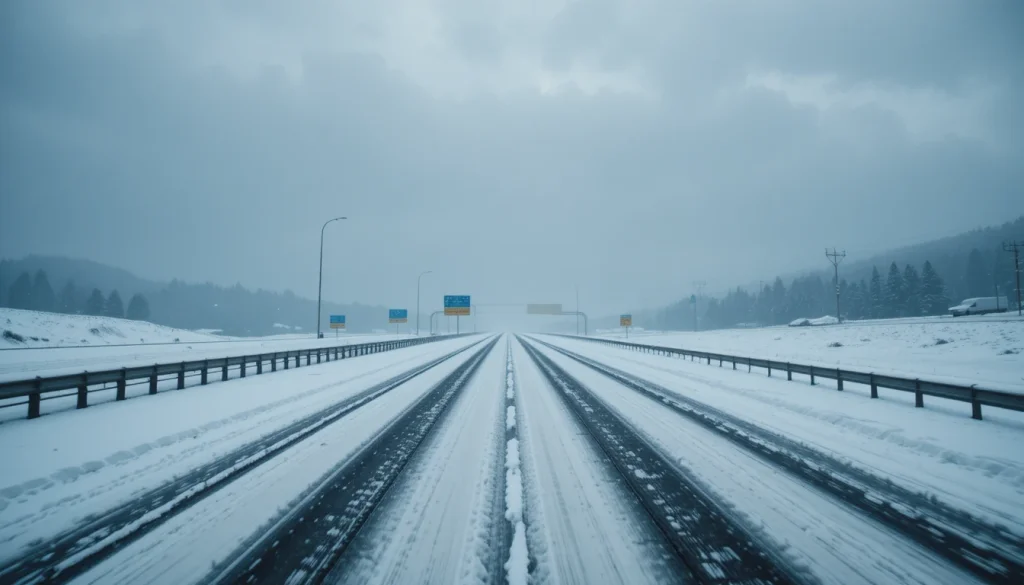
Winter storms are once again impacting large parts of the United States, creating challenging conditions for truck drivers and freight operations. Heavy snowfall, strong winds, freezing rain, and rapid temperature drops are disrupting traffic flow and increasing safety risks on both major highways and secondary routes.
Drivers should expect reduced visibility, icy road surfaces, and sudden closures, especially in northern regions, mountain passes, and open plains where wind-driven snow can quickly turn into whiteout conditions. Travel times are likely to increase as traffic slows and enforcement agencies impose temporary restrictions during severe weather.
Operational challenges extend beyond driving conditions. Storm-related delays can affect appointment times, delivery schedules, and hours-of-service planning. Parking availability may also become more limited as drivers stop earlier to avoid deteriorating conditions.
Preparation and awareness are critical during winter storm events. Monitoring forecasts, allowing extra transit time, and prioritizing safety over speed can help reduce risks. While winter storms are unavoidable, informed decision-making and cautious planning allow truck drivers to navigate these conditions more safely and with fewer disruptions.
Drivers should expect reduced visibility, icy road surfaces, and sudden closures, especially in northern regions, mountain passes, and open plains where wind-driven snow can quickly turn into whiteout conditions. Travel times are likely to increase as traffic slows and enforcement agencies impose temporary restrictions during severe weather.
Operational challenges extend beyond driving conditions. Storm-related delays can affect appointment times, delivery schedules, and hours-of-service planning. Parking availability may also become more limited as drivers stop earlier to avoid deteriorating conditions.
Preparation and awareness are critical during winter storm events. Monitoring forecasts, allowing extra transit time, and prioritizing safety over speed can help reduce risks. While winter storms are unavoidable, informed decision-making and cautious planning allow truck drivers to navigate these conditions more safely and with fewer disruptions.